Tuesday, 29 August 2017

The Asus ZenBook Flip S is the world's thinnest laptop


The Asus ZenBook Flip S is the thinnest convertible laptop in the world--at least for now. Announced Monday at Computex in Taipei, the ZenBook Flip S is the latest to snatch the trophy as vendors wage an eternal battle to shave down their portable PCs. The 10.9-millimeter profile of the ZenBook Flip S currently takes the record. The laptop will be available later this year at prices starting at $1,099. Read more about it below, and also two other slender notebooks Asus announced at its Monday event at Computex in Taipei.

Thin is always in


Asus was very specific in showing how thin the ZenBook Flip S is compared to the competition. Chairman Jonney Shih laid it out in his presentation:

HP Spectre x360: 13.8mm

MacBook Air: 17mm

MacBook: 13.1mm

ZenBook Flip S: 10.9mm

At just 2.4 pounds, the Zenbook Flip S is also lighter than the HP Spectre x360 and the MacBook Air, though not the 2-pound MacBook. Yet it packs the heavyweight punch of Intel’s Corei7-7500U processor and can accommodate up to a terabyte of PCIe SSD storage.

Like all convertibles, the screen can be folded all the way around and the laptop used in a tablet configuration. The touch display has a 4K resolution (3,840x2,160 pixels) and support for Windows Ink with an optional Asus Pen. Corning’s Gorilla Glass adds durability. When the screen unfolds past 135 degrees, the hinge props up the keyboard from the back to create a more comfortable angle for typing.

The computer's accessories include a tiny fingerprint sensor for one-touch login via Windows Hello in laptop or tablet mode. There are a couple of USB-C ports and support for fast charging. Asus says the battery will last for 11.5 hours and can be fast-charged to 60 percent of capacity—about 7 hours—in just 49 minutes.

Asus ZenBook 3 Deluxe
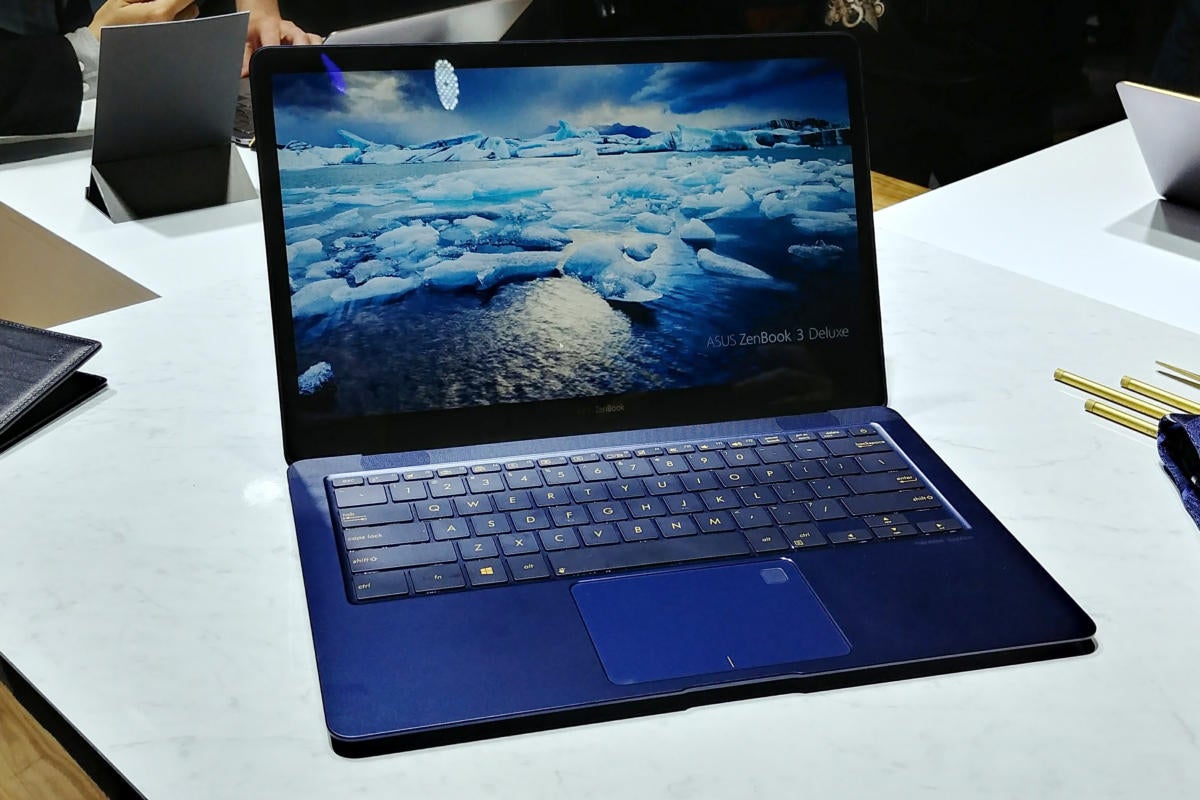
170529 zenbook 3 deluxe

Asus has upgraded its ZenBook 3 laptop with a new model that carries the “Deluxe” name. The UX490 is the thinnest 14-inch laptop on the market at 12.9 millimeters thick, according to Asus.

It weighs 2.4 pounds and is the first laptop to feature Corning’s Gorilla Glass 5, the latest version of the popular impact-resistant glass, Asus said. The company said it can support up to 9 hours of battery life and will be available at prices starting from $1,199.

Like the Flip S, the computer is based on a Core i7 processor and has up to 1TB of PCIe SSD storage. The twin USB-C ports support Thunderbolt 3, so dual 4K monitors could be hooked up, but the laptop itself offers just a Full HD (1,920x1,080 pixels) panel.

For gaming-level graphics performance, the laptop can be connected to the Asus ROG XG Station 2 external graphics dock, which can support cards as large and hot as the NVidia GTX 1080.

Asus ZenBook Pro
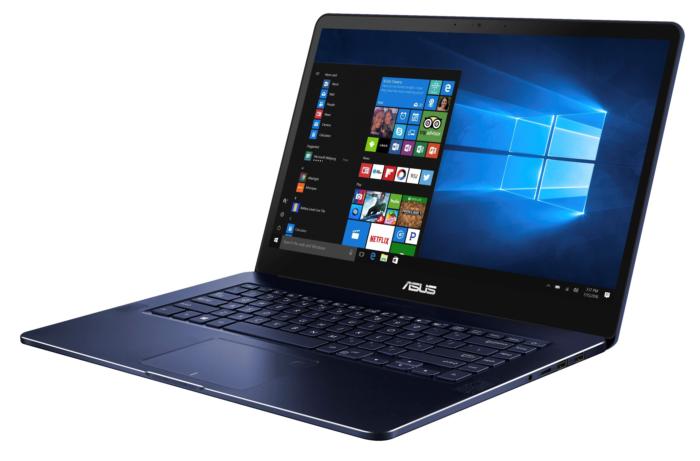


The third addition is the ZenBook Pro UX550. Starting at $1,299, it’s based around the Intel Core i7-7700HQ quad-core processor and an Nvidia GeForce GTX 1050Ti graphics card.

It’s both thinner and lighter than previous ZenBook Pro machines at 18.9 millimeters and just under 4 pounds. It has a spacious 15.6-inch 4K screen. Asus has found room for a four-speaker audio system, battery life is an impressive 14 hours according to Asus, and it comes with a fingerprint sensor for Windows Hello biometric login.

4300mAh/32WH 7.4V New Battery Dell YN6W9 For 7.4V 32WH

43Wh 11.1V New Battery Dell D2VF9 For Dell Inspiron 15 7547

4400mah 11.1V New Battery ACER UM09A71 For Acer Aspire One ZA3 ZG8

45W Type-C Laptop AC Adapter for ASUS ZenBook 3 UX390 UX390U UX390UA

5000mAh/6Cell 11.1V New Battery Acer AL14A32 For Acer ASPIRE E5-521 ASPIRE E5-521G ASPIRE E5-531

Monday, 28 August 2017

OnePlus 5: Everything you need to know about the mid-range flagship


The original flagship killer is back with, well, another flagship killer. After weeks of leaks and rumors, OnePlus has released its sixth handset, the OnePlus 5, and it has the major Android players in its sights: the LG G6, Galaxy S8, and HTC U11.

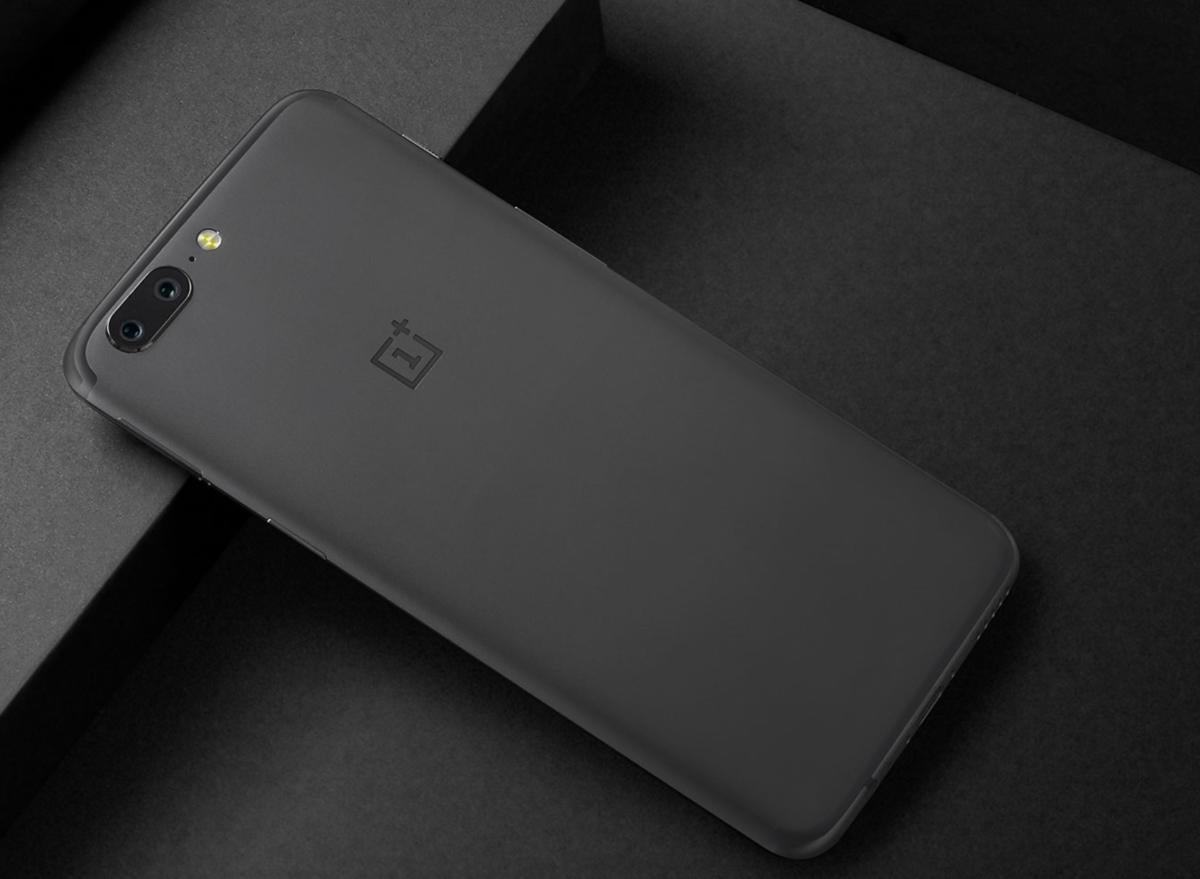
oneplus 5 back

And it looks to be a formidable competitor. Packing the fastest processor around in the Snapdragon 835, up to 8GB of RAM, a 3,300mAh battery, and dual cameras, the OnePlus 5 fills out the spec sheet for less. Here’s everything you need to know, including our full review of the OnePlus 5.

OnePlus 5 specs

l Display: 5.5-inch 1080p Full HD AMOLED, 401ppi

l Dimensions: 152.7 x 74.7 x 7.25 mm

l Weight:
153g

l Color: Midnight black, slate gray

l Operating system: OxygenOS based on Android 7.1.1 Nougat

l CPU:
Qualcomm Snapdragon 835 (octo-core, 10nm, up to 2.45GHz)

l GPU: Adreno 540

l Rear camera: 16MP, f/1.7 + 20MP f/2.6

l Front camera: 16MP, f/2.0

l RAM: 6GB/8GB LPDDR4X

l Storage: 64GB/128GB UFS 2.1 2-LANE

l Ports: USB C, dual nano-SIM slot, 3.5mm audio jack

l Battery:
3,300mAh

OnePlus 5 price and release date


The OnePlus 5 was released in June 27, 2017, and is available for purchase through OnePlus’s website. The gray model with 64GB of storage and 6GB of RAM costs $479, and the black model with 128GB of storage and 8GB of RAM will set you back $539. Like OnePlus’s other handsets, the 5 won’t be available through carriers, though OnePlus is calling it a “true world phone,” with support for 34 networks across the globe.

OnePlus 5 review

The OnePlus 5 is a major improvement over the 3 and 3T, but nearly all of the changes are on the inside. That means you’re getting the same display as last year at a higher price. So while it’s still a good deal, it’s not quite the killer bargain it was last year. There’s a lot more to it, so read our review for the full details.

OnePlus 5 display and design


At 7.25mm thick, the OnePlus 5 is the thinnest phone OnePlus has made. It has moved the camera to the upper-left corner like the iPhone rather than keeping it centered, and the antenna lines remain, meaning the back is made of aluminum and not glass.

Around the front, OnePlus has resisted the bezel-trimming trend. It looks almost exactly like the 3T, with the same 5.5-inch Full HD 1920x1080 resolution display and pill-shaped home button/fingerprint sensor. Thankfully, it also still has the 3.5mm headphone jack on the bottom edge of the device and an alert slider on the left side. It is available in three color options, depending on options. Both models are available in a slate gray color, but to get it in soft gold you’ll need to choose the 64GB model, while the 128GB version is available in an exclusive midnight black color.

OnePlus 5 performance and battery

OnePlus has always packed its flagship handset with the latest silicone, and the Snapdragon 835 inside the OnePlus 5 is a screamer. Elsewhere, the phone brings 6GB or 8GB of RAM, 64GB or 128GB of UFS 2.1 storage, Bluetooth 5, and a 3,300mAh battery.

While the battery is smaller than the one in last year’s 3T, it’s more than big enough to get through a full day of use. Plus, the 5 uses OnePlus’ proprietary Dash Charge system to power up quicker than its competitors. However, since the OnePlus 5 has an aluminum back, it doesn’t support wireless charging like the S8 and G6.

OnePlus 5 camera

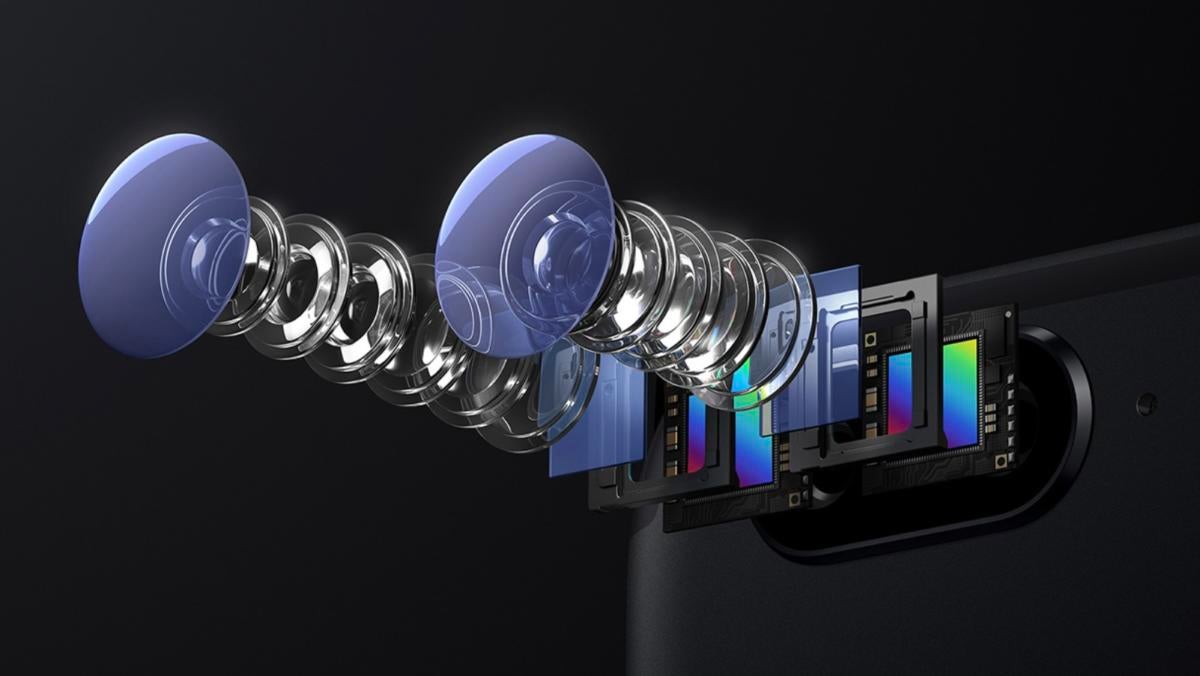
OnePlus has hyped the heck out of the camera in the OnePlus 5. It ditches the older version’s single shooter in favor of a dual-camera system, pairing a custom Sony IMX398 16MP sensor with a large f/1.7 aperture with a 20MP telephoto one. Around the front you get a 16MP lens with f/2.0 aperture.

oneplus 5 camera

The system brings Fast AF and Smart Capture that will let you take shots instantaneously while filtering out noise and inconsistencies in low-light situations, as well as improved HDR and a portrait mode that simulates a depth of field. It also features 1.6x optical zoom (up to 8x when combined with the digital zoom) and a pro mode that includes a tiny histogram so you can fine-tune the pixels. Notably neither lens features optical image stabilization.

OnePlus 5 OS

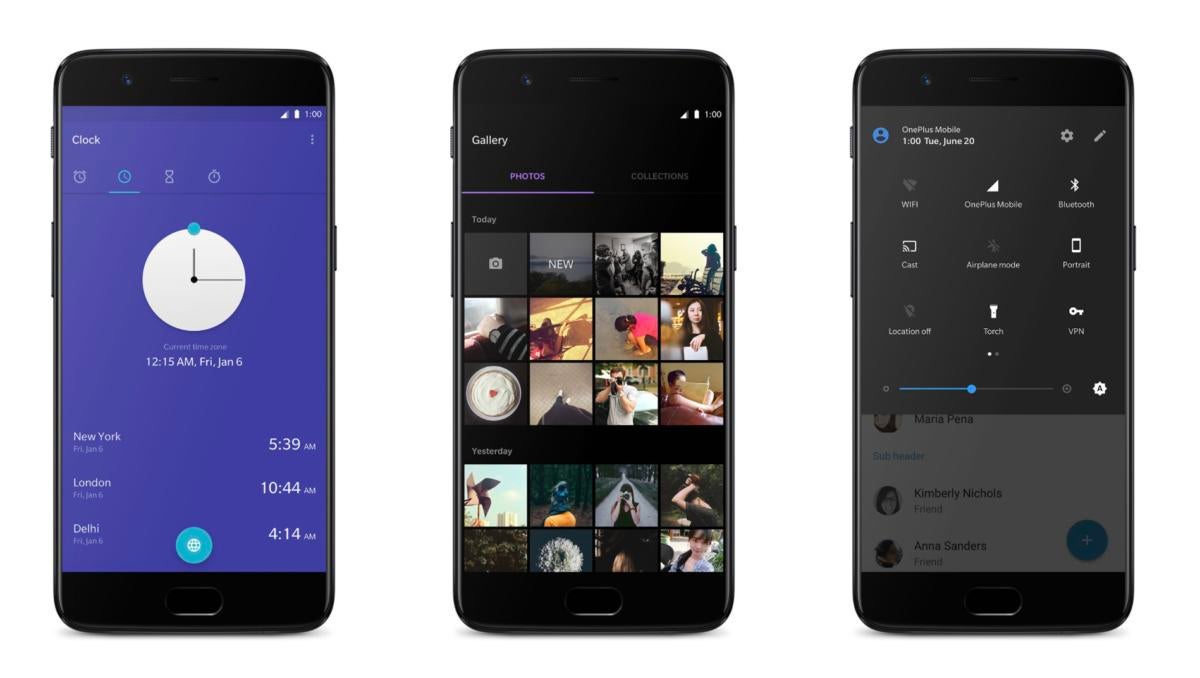
The OnePlus 5 runs OxygenOS based on Android 7.1.1 Nougat. Previous iterations haven’t strayed too far from stock Android, and the OnePlus 5’s version is no different. But there are some new features.

oneplus 5 os

As you use it, it will learn your habits and prioritize your apps accordingly on a new quick-launch area of the Shelf. A Do Not Disturb mode just for gaming will block notifications and disable the soft buttons for an uninterrupted experience. Secure Box lets you lock up documents, photos, and videos behind a fingerprint- or pin-protected folder. And a new Reading Mode will optimize the display in apps like Amazon’s Kindle reader to make words easier on your eyes.

FAQ

What happened to the OnePlus 4?

There’s a reason OnePlus has jumped from the 3T to the 5. In Chinese culture, the number four is considered unlucky, like the number 13 in the U.S. This is due to the Chinese phonetic pronunciation of the number four being like the word for death and suffering. Many elevators in China skip the fourth floor, much like U.S. hotels often jump from floor 12 to 14.

What’s in the box?


You get a Dash charger and a cable, along with a SIM ejector tool. That’s it. OnePlus still doesn’t include a free set of earbuds, though you can buy a pair from the OnePlus site for $20.

Are there any cases available?

Yes! Just like its previous phones, OnePlus is selling a series of case available in faux wood, carbon fiber, and sandstone. Additionally, there’s a flip cover and an official Otterbox case in black or red.

Can I bring an SD card?

Sadly, no. While there are two nano SIM slots in the SIM tray, the OnePlus 5 doesn’t support SD cards for storage. So you might want to splurge on the bigger model if space is a concern.

How does Dash Charge work?

OnePlus supplies a proprietary cable and a plug that is needed for Dash Charging. But since the OnePlus 5 doesn’t support the Quick Charge standard on the S8 and LG G6, if you don’t use the supplied cable and plug, the phone will charge as normal.

I’m a Verizon customer. Will it work for me?

Nope. While the OnePlus 5 supports more bands than ever, Verizon’s isn’t one of them. And neither is Sprint’s. So unless you want to switch to AT&T or T-Mobile, you’re out of luck.

Microsoft pushes Windows mixed reality with two tiers of PCs and a Halo game tease


Microsoft’s bid to bring Windows mixed reality to the masses is taking shape with a raft of affordable PCs. On Monday the company announced that its hardware partners will launch two types of mixed-reality PCs this holiday season, showing them off first at the IFA show this week in Berlin. The company also said its mixed-reality content would include Steam’s VR games and even some sort of Halo experience.

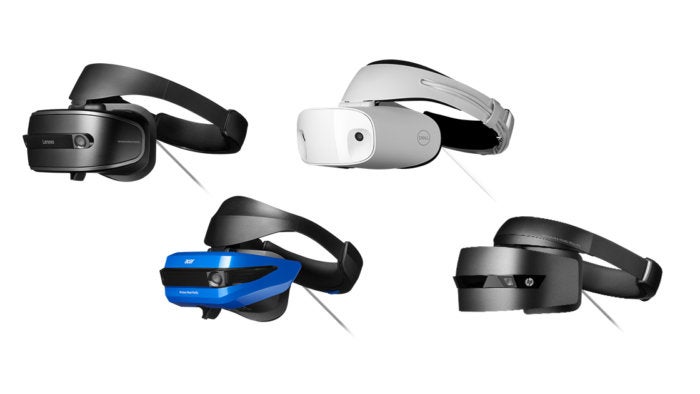
Microsoft has spent much of this year building up its mixed-reality ecosystem. The company has promised that mixed reality will be a key part of the Windows 10 Fall Creators Update. Working in concert, its hardware partners—HP, Lenovo, Dell, and Acer—plan to launch mixed-reality devices in time for the holidays.
Microsoft mixed reality headsets

Pricing is important: Acer’s headset, for instance, will be available for $299 without the controllers, undercutting the HTC Vive and Oculus Rift. At its Build conference in May, Acer announced a $399 bundle of headset plus a set of motion controllers. Dell, announced that its own mixed-reality head-mounted display, the Dell Visor, will ship for $350 for just the headset, $100 for the controllers, and $450 for a bundle of all of them. Dell’s headset boasts a flip-up visor, and the controllers feature a thumb stick and buttons, according to Dell. Though all of Microsoft’s headsets are tethered to a PC via an HDMI cord, they can track movements in space without the need for external sensors.

Meanwhile, prices of mixed-reality-capable PCs begin at $499. Microsoft’s partners have yet to announce further specifics on those PCs, but we do knows they’ll be classified into two tiers. Windows Mixed Reality PCs with integrated graphics will run at up to 60 frames per second, while Windows Mixed Reality Ultra PCs with discrete graphics will provide up to 90 frames per second.

Why this matters: With mixed and virtual reality, vertigo is a real concern. A guaranteed 60fps experience might be tolerable for certain applications, provided you don’t move you head around too quickly. You’ll really want a PC with discrete graphics—an Ultra PC—for the best experience. Providing PCs purpose-built for mixed reality could help build user interest.

Microsoft tips some MR content partners


Microsoft released a sizzle reel of some of the available apps, which include Dreams of Dali, SuperHot VR, and GoPro 360-degree videos, among others. Microsoft said that “Steam content will also run on Windows Mixed Reality headsets,” though didn’t provide further clarification.

Microsoft also published a graphic of some of the developers who will be publishing apps to mixed reality. Note that they include a number of developers who already have published virtual-reality apps, or just apps for Windows.

One of those developers, Microsoft said, will be 343 Industries, the developers of the Halo series of games. There will be a Halo mixed-reality experience, Microsoft promised, without delving into more details.

Alex Kipman, the technical fellow at Microsoft who helped launch the HoloLens two years ago, called Microsoft’s reveal a “sneak peek into what you can expect this holiday,” he wrote in a blog post. “We are just getting started and we are honored to work with world class creators and developers.”

Google Allo finally gains a web interface but it may be too late


Google’s scattershot messaging strategy has one less problem. Starting today, Android users can log in to Allo on the web to see and send messages, but it probably won’t make the chat platform more popular.

For one, there are a lot restrictions. You’ll need an Android phone. It only works through the Chrome browser. You’ll have to get the latest version of Allo (16.0.024) before you can link your account. And the biggest one of all: Your phone will need to be online and running the Allo app for the web interface to connect. In other words, it’ll be quicker in most cases to just use your phone.

Why this matters: Well, we’re not really sure it does. While the idea of an Allo web interface sounds exciting in theory, in reality it’s just another Google messaging platform to ignore. Allo never took off the way Google hoped it would, and an extremely limited web app that requires phone tethering is unlikely to get new people to use it. Until Google offers proper SMS in Allo, the app will continue to wither in the Play Store, with or without a web interface.

Allo again 
google allo

Criticism aside, the Allo web interface is a pleasure to use. To get started, visit Allo for web in your Chome browser, where you’ll be greeted with a QR code. Then, open the app on your phone, tap the side menu button, and select Allo for web. (If you don’t see it you’re probably running an older version.) It’ll switch to a viewfinder so you can scan the QR code on your computer screen, which will link your PC and your phone.

And that’s pretty much it. All of your conversations will be pulled over (assuming you have Google Drive backups turned on), and you’ll be able to quickly continue a conversation or start a new one. Nearly every Allo feature is supported, including group chats, incognito conversations, stickers, and, most importantly, Google Assistant.

The Allo web interface is just as easy to navigate as the mobile one, with a sidebar of your conversations and a collapsible list of your sticker packs. You can summon Assistant into conversations by clicking the button in the conversation bar and attach files, but there’s no way to access the camera, so you won’t be able to make selfie stickers. Additionally, you lose out on one of Allo’s best features, an iMessage-style animation that indicates the other person in your conversation is typing.

If the latest version of Allo hasn’t appeared on your phone yet, you can side-load the Google-signed APK from APKMirror. iPhone users are out of luck at the moment, but Google says iOS/Mac support is coming soon.

Sunday, 27 August 2017

Microsoft's fascinating GigJam service will close in September


Microsoft will close and end the preview of its new GigJam productivity service, which was aimed at helping teams of people collaborate in real time over the Internet, the company said Tuesday.


“After careful consideration, we’ve decided to retire the GigJam Preview on September 22, 2017,” Microsoft said. As of that day, any remaining “gigs” will automatically expire.

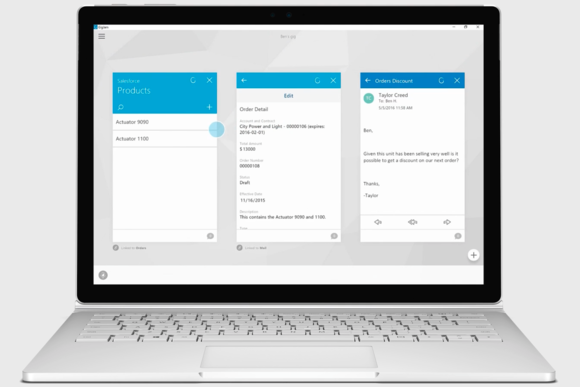
GigJam combines data from a variety of services including Microsoft’s own Office 365, Trello, Dropbox, and Salesforce. Users can then bring that information into a shared workspace, or “gig,” allowing them to quickly work together.

Users can easily redact part of the information they’re sharing with other people, meaning they can selectively share only what needs to be seen in order to get a job done.

There’s no way around it: GigJam was a kind of wacky product Microsoft has built to help people get work done together. But what’s interesting is that it’s emblematic of the company’s current approach to the productivity market—focused on letting people quickly and independently collaborate across different services while maintaining a secure environment.

Here’s how it works: One user starts a “Gig,” and then pulls in information from whatever services they need, like email, Salesforce, Office documents, and Asana tasks. That information shows up as a card inside GigJam, where users can highlight some information inside a card, redact other information, and then send the whole bundle off to another user for review or editing.

It’s a good way to both keep focused on the task at hand (like editing only one slide out of a PowerPoint presentation) and also enables workers to more easily team up with people outside of their organization, like suppliers and contractors who shouldn’t be privy to some information.

The GigJam interface also combines a bunch of interesting input methods. Users can work entirely with the keyboard and mouse, but they can also interact with Gigs using touch and voice input. The service is a crazy bundle of different modern capabilities and looks in demos like something out of the future.

GigJam’s radical differences from other collaboration products like Slack, email, Yammer, and SharePoint are what make it unique and powerful, but may also end up being its undoing. Plenty of companies have bet on innovative productivity services that ended up being less popular than expected. The epic failure of Google Wave comes to mind.

GigJam is available on Windows and Mac, with a beta of the iOS application coming soon. Users can sign up for the private beta here, and Microsoft says everyone who requests an invitation will get one. People who have already requested an invitation to the beta before now should have one waiting in their inboxes.

Pixel 2: Everything we know about Google’s next flagship phone


Google flipped the script last year when it retired the Nexus line in favor of its own branded handsets. Now all eyes are on the Pixel 2. With improved specs and even better cameras, the new phones are poised to propel Google back to the head of the class with a pure Android O experience.

Since the Pixel and Pixel XL landed, the LG G6 and Galaxy S8 have upped the ante for premium phones with their slim bezels and 16:9 screens. So, like last year, we’ll be watching to see whether the next version of Google’s handset can chip away at Samsung’s dominance. Details are already starting to leak about the Pixel 2 phones, so stay tuned to this article for the very latest information:

Pixel 2 design and display
While the Pixel’s iPhone-inspired front seemed somewhat uninspired last year, it looks downright boring next to the bezel-slimming designs of LG’s G6 and Samsung’s Galaxy S8. Rumors suggest that will change. Android Police has gotten its hands on a supposed leak of the Pixel 2 XL rendering, where it appears to have a 2:1 screen like the G6 and S8, much thinner bezels, and smoother 3D edges (though the report says the glass will be flat, not curved). The site claims the new phone will sport a 6-inch AMOLED display manufactured by LG, which makes sense given Google’s reported $900 million investment in LG Display. The picture also shows a similar two-tone rear case with a smaller window of glass around the camera, a feature first reported by XDA Developers. Android Police says that the XL model will represent “the cutting edge of Google’s engineering and design efforts, while the smaller device will act as a sort of entry-level option.”

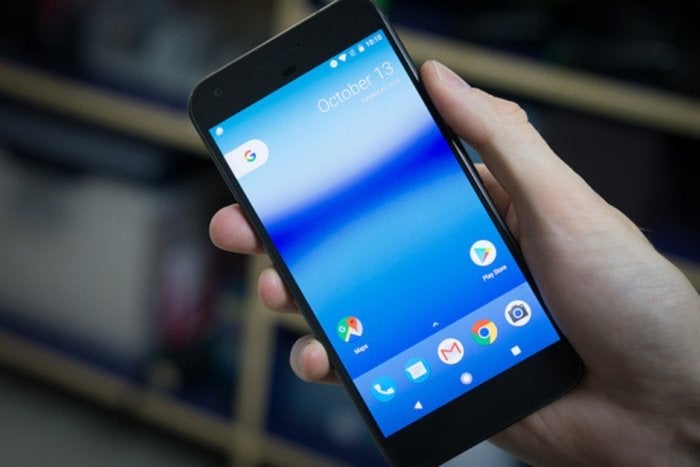
Speaking of the entry-level Pixel, XDA Developers reports it will feature a 4.97-inch, 1080p display similar to the current version’s, with an “almost identical” design. A leaked image published by GSMArena, above, seems to confirm this description. The spy shot shows a slightly more rectangular device with chunky bezels all around. Of note, there is a new speaker slit below the screen, suggesting the handset will have front-facing stereo speakers.

A series of 3D renders based on leaked design schematics confirm much of what Android Police and XDA Developers have reported as far as the design goes, with dimensions that match of very closely to the current models: 145.3 x 69.3 x 7.8 mm for the smaller model and 157.6 x 76.3 x 7.9 mm for the XL. But there’s one extra tidbit: There may be a camera bump as well.

Pixel 2 specs, features, and sound

Last year’s Pixel featured the then-top-of-the-line Snapdragon 821 chip, and this year’s Pixel may also incorporate high-quality silicon. XDA Developers claims the phones will be powered by the Snapdragon 835 chip, along with the same 4GB of RAM in the current models. A newer report from International Business Times claims that Google will be using an updated version of the chip, much like last year. The publication says it will be the the first phone to use the Snapdragon 836 chip, bringing “faster throughput with minimal power consumption.” Evan Blass all but confirmed the new chip with in a tweet announcing the date the new phones will be unveiled.

Additionally, the smaller Pixel will come in a 64GB variation, though it’s unclear whether it will replace the 32GB base model or add another tier.

Audiophiles will be bummed to learn that Google might dump the headphone jack in the Pixel 2. XDA Developers and 9to5Google both report that the 3.5mm jack will be jettisoned in the new model in favor of stereo speakers. And the 3D renders we’ve seen all but confirm this report. However, audiophiles should rest a little easier knowing that Google has been hard at work at fixing the Bluetooth issues that plague the current models, as reveled in a recent Reddit AMA by Android O engineers.

Finally, Android Police reports that the new Pixel will have a squeezable frame like the HTC U11 to launch Google Assistant and other apps.

Pixel 2 water resistance


It was somewhat surprising that Google opted to skip IP68 water resistance in the original Pixel, but there are signs it will rectify that in its next handset. As 9to5Google explains, the feature is “on the table” for the Pixel 2—although sources had previously informed the site that it was a priority for the next release.

Pixel 2 camera

If there’s one thing you can count on in a new flagship phone, it’s that the camera will be better. 9to5Google reports that Google won’t focus on megapixels with the Pixel 2, but rather will “compensate in extra features.” It’s unclear exactly what that means, but the site says the camera will be a “major focus” in the development of the Pixel 2. Additionally, XDA Developers reports that the Pixel 2 will stick with a single camera rather than a dual setup. And the render from Android Police bears this out, showing a single lens that is much larger than the current model, however it does appear to jut out ever so slightly from the case.

In a blog post, Google has already shown off some incredible results from its experimental nighttime photography techniques that use the existing Pixel camera to generate some incredible low-light images, and we’re hoping some of that processing power makes its way into the Pixel 2.

Pixel 2 price


Premium phones don’t usually go down in price, and the Pixel 2 isn’t about to break that trend. In fact, it might cost more. 9to5Google reports that Google’s next handset will be “at least” $50 higher than this year’s model, meaning it would start at $699 for the 5-inch model and top $800 for the Pixel 2 XL. Furthermore, a comment by Rick Osterloh confirms that the flagship Pixel will stay a “premium” phone, meaning it will fetch many hundreds of dollars.

Galaxy Note8: Features, specs and everything else you need to know


At long last, the Galaxy Note 8 is here. Whether you begrudgingly returned your Note 7 after the battery-related recall, or have just been counting the days until your Note 5 was eligible for an upgrade, the Galaxy Note 8 is ready to fill the phablet-sized hole in your life.

And based on our first impressions, it looks like the Note 8 was worth the wait. From its giant screen to its greatly improved camera, Samsung’s latest productivity handset is a tour de force, packing cutting-edge features inside an elegant, compact enclosure. Here’s everything you need to know about the newest phablet on the block.

Galaxy Note 8 hands-on

Note8 specs
  • Display: 6.3" Quad HD+ 2960 x 1440 Super AMOLED, 532ppi
  • Dimensions: 162.5 x 74.8 x 8.6 mm
  • Weight: 195g
  • Color: Midnight black, orchid gray in the U.S.; deepsea blue, maple gold internationally
  • Operating system: Samsung Experience based on Android 7.1.1 Nougat
  • CPU: Qualcomm Snapdragon 835 (octo-core, 10nm, up to 2.45GHz)
  • GPU: Adreno 540
  • Rear camera: Dual 12MP telephone and wide angle,
  • Front camera: 8MP, f/1.7
  • RAM: 6GB/8GB LPDDR4
  • Storage: 64/128/256GB UFS 2.1 2-LANE
  • Ports: USB C, nano-SIM slot/microsSD, 3.5mm audio jack
  • Battery: 3,300 mAh

Note 8 price and release date

The Galaxy Note 8 is Samsung’s most expensive phone to date, clocking in at around $950—about $100 more than the Galaxy S8+. Preorders are already being accepted and the device will begin shipping on Friday, September 15. Samsung is selling the unlocked Note 8 for $930, and carrier pricing is as follows:
  • T-Mobile is charging $930 for a full-priced Galaxy Note 8, or you can put down $210 up front and spread the rest of the cost over 24 $30 monthly payments. Also, Jump On Demand customers will pay $39 a month with no down payment, for a cost of $936.
  • AT&T customers will pay $950 up front for a Note 8, or $31.67 for 30 months on an AT&T Next plan.
  • Verizon will be selling the phablet for $960, or $40 a month for 24 months.
  • Over at Sprint, the Note 8 will also cost $960. However, the carrier is offering the the device for zero down and $20 per month for 24 months ($480) with the Sprint Flex leasing plan for new customers.

Note 8 display and design
galaxy note8 holding

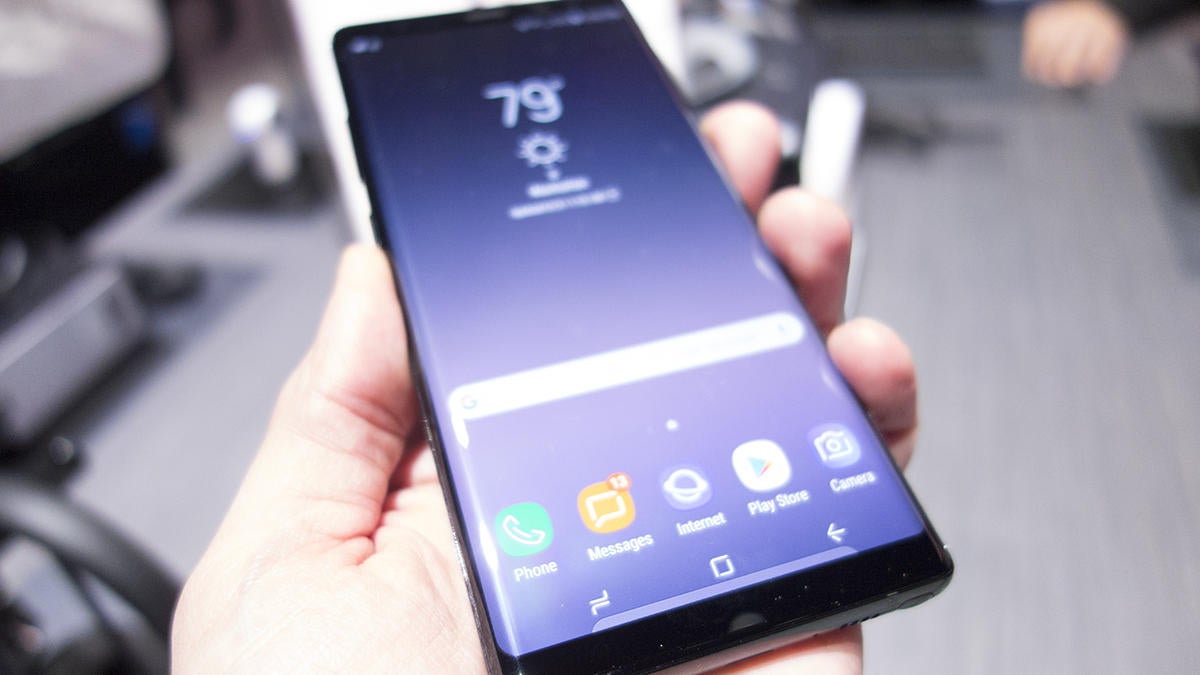
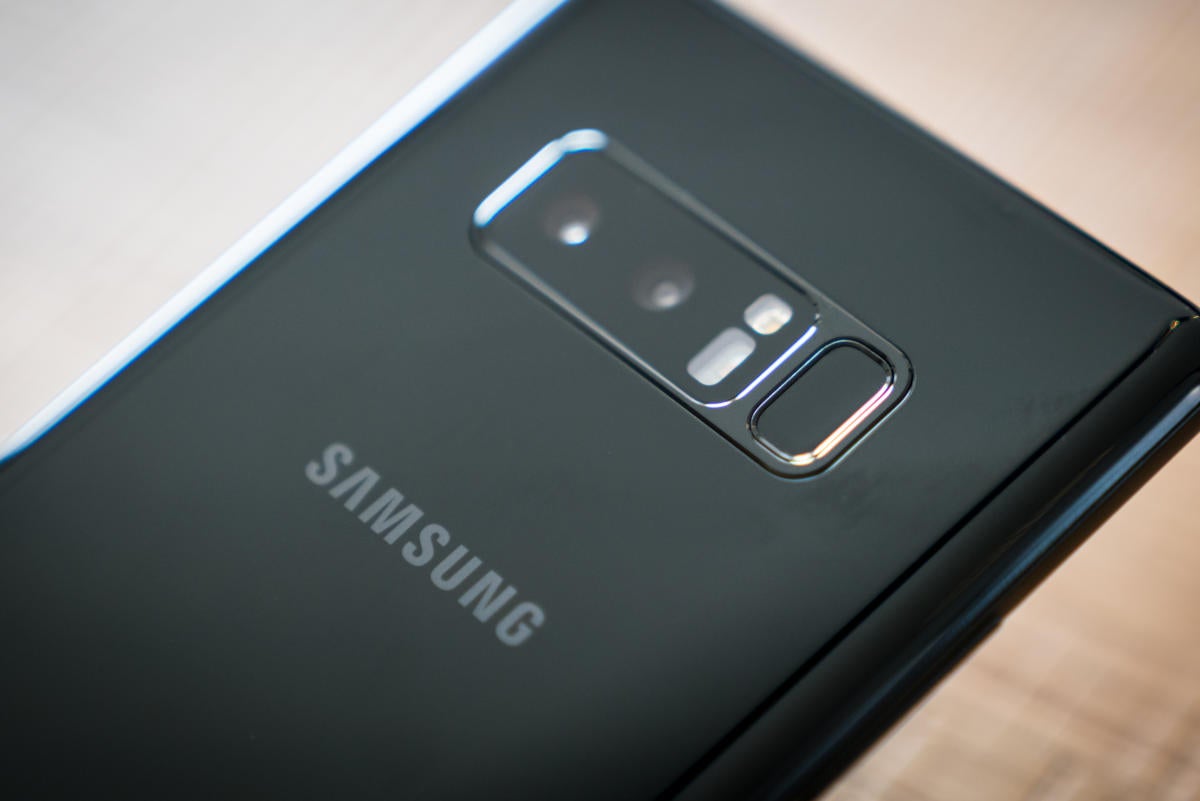
If you’ve used a Galaxy S8+, then you already have a pretty good idea of how the Note 8 looks. It features a 6.3-inch AMOLED display (up a fraction of an inch from the 6.2-inch S8+), and it features the same stunning Infinity Display design. The design takes most of its cues from the S8 as well, with thin bezels at the top and bottom and an all-glass enclosure. Flip it over and you’ll find a dual camera and a fingerprint sensor, still unfortunately positioned to the right of the camera. The corners of the device are slightly squarer than the S8+, but unless you compare them side by side, it’s very difficult to tell the two phones apart.

Note 8 performance, features, and storage

The Note 8 is powered by the same Snapdragon 835 chip that's inside the Galaxy S8. It does, however, have 6GB of RAM, an increase over the S8’s standard 4GB. As far as storage goes, the Note 8 comes with the same 64GB of internal storage as the S8 and keeps the microSD card slot as well for expansion up to 256GB. It also has IP68 water resistance, support for fast wireless charging, and a headphone jack.

Note 8 battery

After last year’s exploding batteries spurred a global recall, Samsung is playing it a little conservative with the Note 8. The handset features a 3,300m Ah battery, which is smaller than the S8+ and the Note 7, both of which sport 3,500 mAh batteries. Additionally, Samsung is running Note 8s through the same rigorous 8-point battery safety check that it implemented for the S8, and has established a partnership with UL to certify the Note 8 complies with the firm’s specific standards. All of which is to say, the Note 8 should be safe to take on an airplane.

Note 8 camera
Samsung has seriously upgraded the camera in the Note 8, adding a second lens on the back for its first dual-camera Galaxy phone. Both lenses have the same Dual Pixel 12MP sensor, but the main “wide” lens has an aperture of f/1.7 while the secondary telephoto lens offers 2X optical zoom but a slower f/2.4 aperture. Samsung has added optical image stabilization (OIS) to both lenses as well, a first for a smartphone (competitors only offer OIS on the main camera).

Samsung Note8
As expected, an iPhone 7 Plus-like portrait mode is the key feature of the Note 8’s dual-camera system, but Samsung takes it a step further with Live Focus, a feature that uses both camera to create depth-of-field bokeh effects. Inside the camera app you’ll find a slider that lets you adjust the amount of background blur in your shot, both before and after you snap it. Apple's phone doesn't offer this level of depth-of-field control.

Popular Articles